Total Dissolved Solids (TDS) measures the mineral content that gives water its character — a 290 mg/L profile provides a structured, distinctive mouthfeel, the foundation of a truly premium natural mineral water
Short answer
Cedar Mountain's 290 mg/L TDS profile places it in the medium-mineralization band — the culinary sweet spot. Its key minerals are calcium (24.0 mg/L), magnesium (10.00 mg/L), bicarbonate (183 mg/L), sodium (61 mg/L), and silica (7.70 mg/L), all naturally occurring with nothing added and nothing removed.
Last updated: July 10, 2026
Water is not neutral ground — it is an active participant in every sip. At pH 8.0, Cedar Mountain sits at the precise alkalinity where water transcends being a mere solvent and becomes a palate architect.
In the world of fine dining, where chefs plate delicate vegetables, wild mushrooms, and plant-based proteins using rigorous Michelin-level techniques, the water served alongside the dish must elevate the flavor profile — not wash it out. An overly acidic water introduces dissonance. An excessively alkaline water coats the tongue with an artificial slickness. At 8.0, Cedar Mountain serves as the perfect palate cleanser, resetting the mouth without introducing astringency or interfering with the chef's intended flavor arc.
This is not an accident of nature — it is the direct result of the Appalachian strata through which the water journeys, dissolving precisely the right balance of calcium and magnesium carbonates to achieve its signature alkalinity.
Why it matters for Cedar Mountain
Cedar Mountain's pH 8.0 is not achieved through ionization or additives — it is a direct consequence of dissolving through Appalachian limestone over centuries. The 183 mg/L bicarbonate buffer means the pH remains stable from source to glass, unlike artificially alkaline waters that drift toward neutral within hours of opening.
Every mineral in Cedar Mountain serves a purpose. Below is the breakdown of the key trace minerals that define its character — verified through independent NELAP-certified laboratory analysis.
Contributes to the structured mouthfeel and lends a smooth, slightly sweet undertone to the water's character on the palate.
Lends a subtle sweetness to the finish and adds a structured, mineral presence that gives the water its composed, lingering character.
Produces the signature silken texture on the palate — a smooth, almost velvety mouthfeel that distinguishes Cedar Mountain from lighter, thinner mineral waters.
The backbone of the water's buffering capacity, contributing to the smooth, non-aggressive character and the pH 8.0 stability.
Present at a moderate level that contributes roundness to the mouthfeel — an essential quality for fine dining pairings.
NELAP-accredited independent laboratory results — ISO 17025 quality system. Analysis via ICP-MS, ion chromatography, and EPA Methods 200.7, 200.8, 537.1, and 533.
| Parameter | Result | Method |
|---|---|---|
| Total Dissolved Solids (TDS) | 290 mg/L | Gravimetric |
| pH | 8.0 | Electrometric |
| Calcium (Ca²⁺) | 24.0 mg/L | EPA 200.7 (ICP-AES) |
| Magnesium (Mg²⁺) | 10.00 mg/L | EPA 200.7 (ICP-AES) |
| Bicarbonate (HCO₃⁻) | 183 mg/L | SM 2320B (titration) |
| Sodium (Na⁺) | 61 mg/L | EPA 200.7 (ICP-AES) |
| Silica (SiO₂) | 7.70 mg/L | EPA 200.7 (ICP-AES) |
| Potassium (K⁺) | 1.9 mg/L | EPA 200.7 (ICP-AES) |
| Chloride (Cl⁻) | 52 mg/L | Ion Chromatography |
| Sulfate (SO₄²⁻) | 31 mg/L | Ion Chromatography |
| Fluoride (F⁻) | 0.21 mg/L | Ion Chromatography |
| Total Hardness (as CaCO₃) | ~101 mg/L | Calculated |
| Mg:Ca Ratio | ~1:2.4 | Calculated |
| Analyte | Result | EPA Method |
|---|---|---|
| PFAS (18 compounds, EPA 537.1) | Non-Detect ✓ | EPA 537.1 & 533 |
| Nitrates (NO₃⁻) | Non-Detect ✓ | EPA 300.0 |
| Lead (Pb) | Non-Detect ✓ | EPA 200.8 |
| Mercury (Hg) | Non-Detect ✓ | EPA 245.1 |
| Arsenic (As) | 0.004 mg/L | EPA 200.8 |
FDA Classification: Natural Mineral Water — 21 CFR §165.110
Laboratory Report: Sample 482682 — NELAP #E87753 | ISO 17025 | Reporting limits: 2–4 ppt for PFAS compounds
Transparency is the ultimate luxury. Cedar Mountain undergoes rigorous independent testing through a NELAP-accredited laboratory — the gold standard for environmental and water quality analysis in the United States.
What follows is as important as what is present: Non-detect for PFAS, the so-called "forever chemicals" detected in municipal water supplies nationwide. Non-detect for nitrates, lead, mercury, and volatile organic compounds. Arsenic was measured at 0.004 mg/L, below the U.S. EPA drinking water standard of 0.010 mg/L.
Every bottle of Cedar Mountain is a sealed record of its source: untouched, uncompromised, and analytically verified. This is not marketing — it is a laboratory-certified statement of fact.
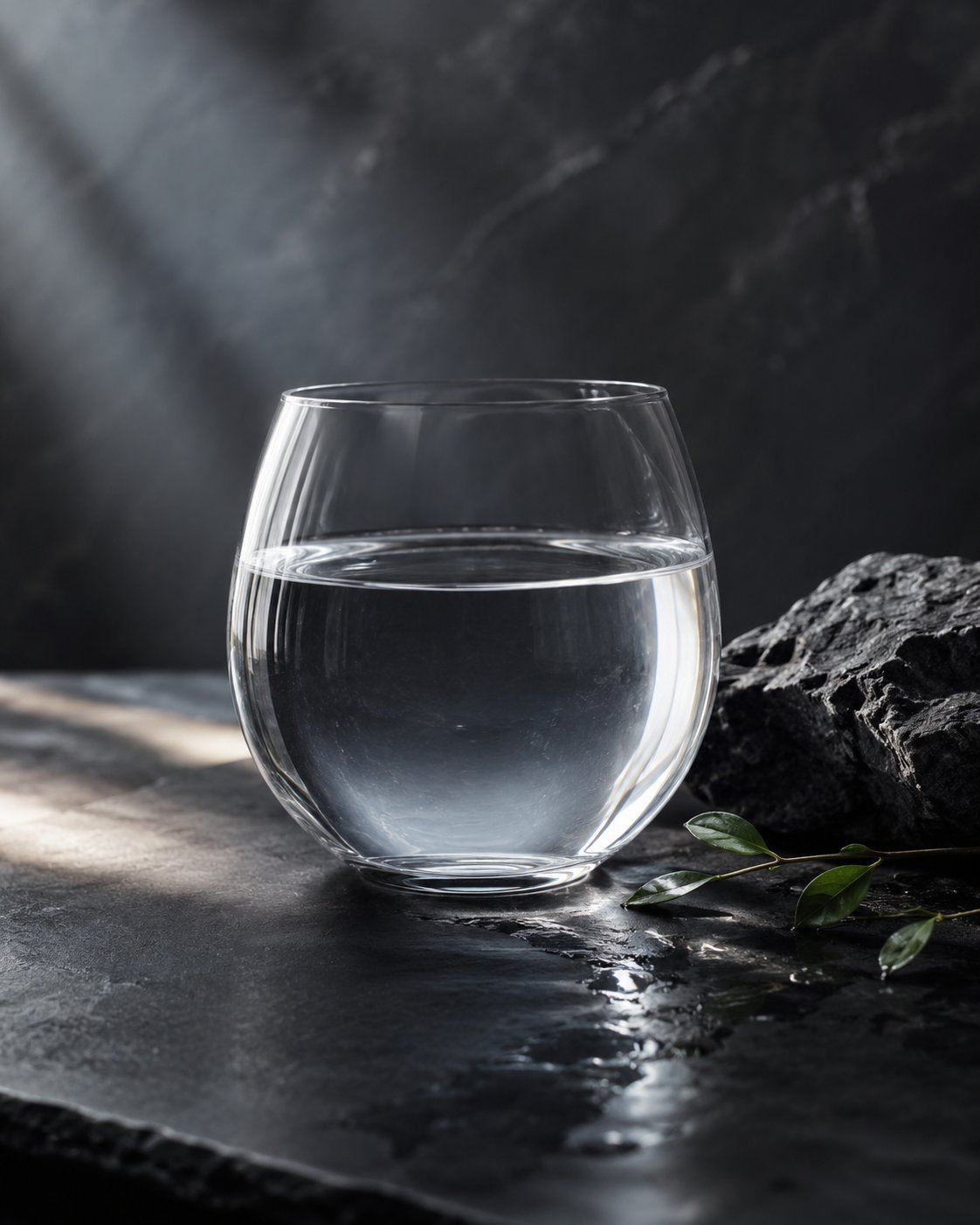
This precise mineral balance is only possible due to our strictly protected natural mineral water source in the Appalachian highlands — and the unique geology of the Appalachian aquifer that makes it possible.
Reserve Your Allocation — Join the WaitlistContinue Exploring
Review the certified laboratory analysis, understand the source geology, or explore the full Cedar Mountain collection.